Fong, J. J., J. F. Parham, H. Shi, B. L. Stuart & R. L. Carter (2007): A genetic survey of heavily exploited, endangered turtles: caveats on the conservation value of trade animals. – Animal Conservation 10(4): 452-460.
Eine genetische Erhebung stark ausgebeuteter, bedrohter Schildkröten: Herausstellen des Erhaltungswerts gehandelter Tiere
Frew, S. E., S. M. Sammut, A. F. Shore, J. K. Ramjist, S. Al-Bader & R. Rezaie (2008): Chinese health biotech and the billion-patient market: Chinese government support and „sea turtles“ are spurring the sector, but investors lack exits. – Nature Biotechnology 26(1): 37-53.
Chinas Gesundheitsbiotechnologie und der Milliarden-Patienten-Markt
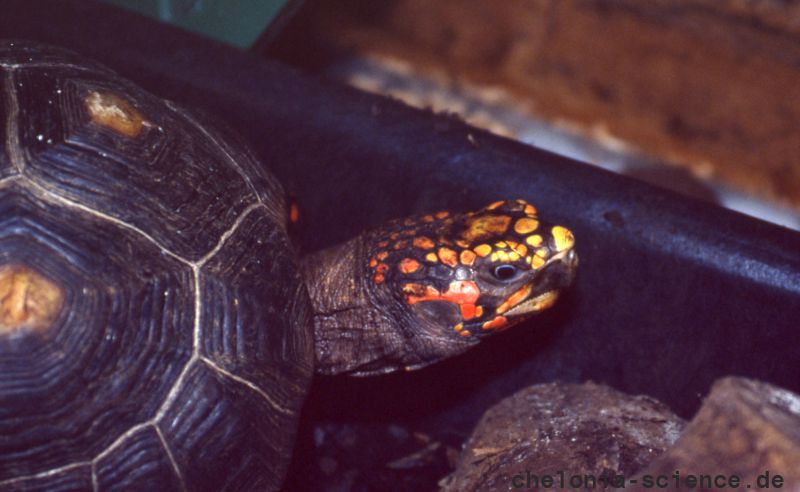
Farias, I. P., A. Jerozolimski, A. Melo, V. M. das Neves, M. Martins & L. A. dos Santos Monjeló (2007): Population genetics of the Amazonian tortoises, Chelonoidis denticulata and C. carbonaria, (Cryptodira: Testudinidae) in an area of sympatry. – Amphibia-Reptilia 28(3): 357-365.
Populationsgenetik der amazonischen Landschildkröten Chelonoidis denticulata und C. carbonaria (Cryptodira: Testudinidae) für ein Areal, in dem sie sympatrisch vorkommen
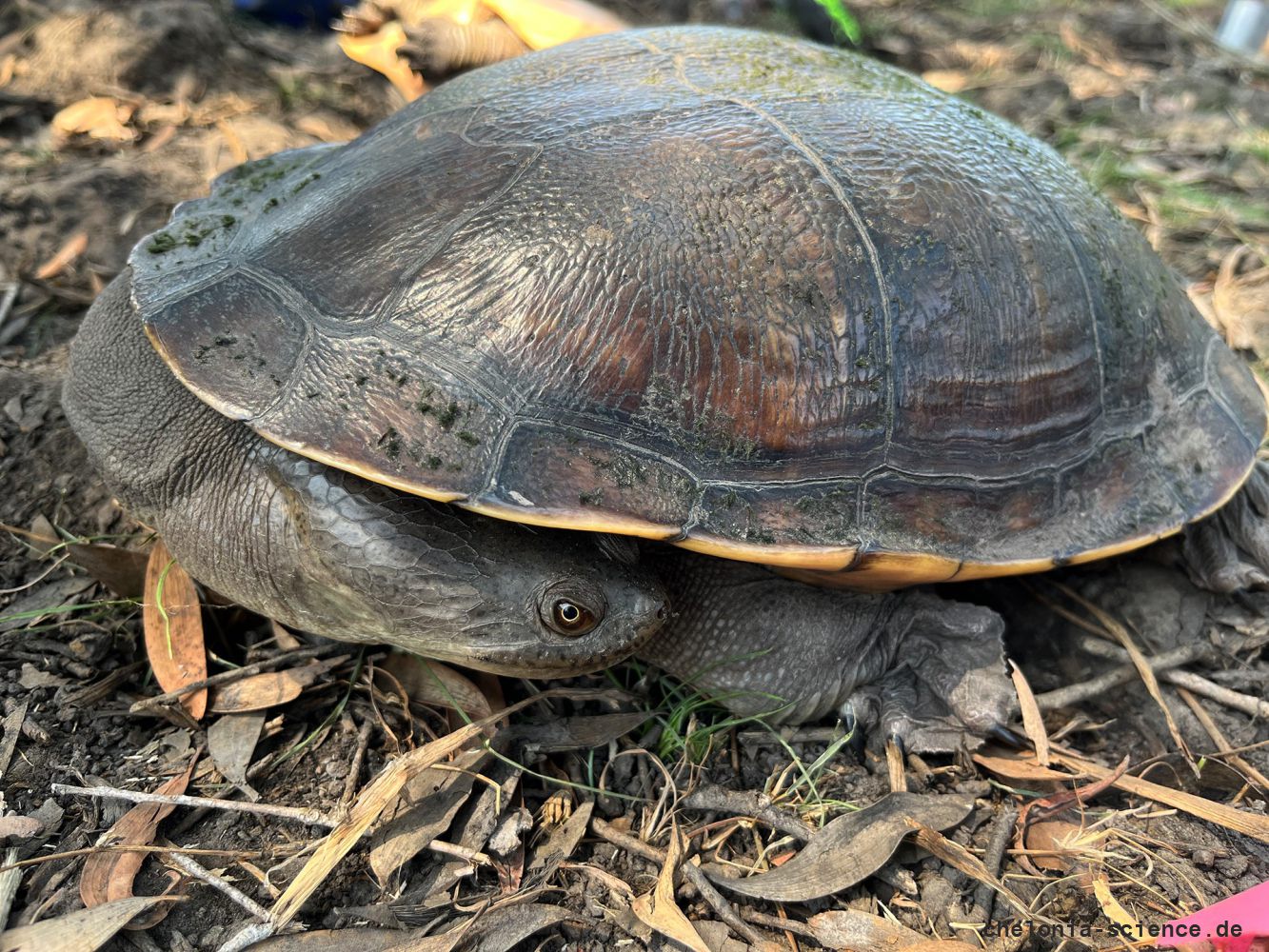
Fordham, D. A., A. Georges & B. W. Brook (2007): Demographic response of snake-necked turtles correlates with indigenous harvest and feral pig predation in tropical northern Australia. – Journal of Animal Ecology 76(6): 1231-1243.
Demographische Reaktionen der Schlangenhalsschildkröten korrelieren mit der Ernte durch die Eingeborenen und der Bejagung durch Wildschweine im tropischen nördlichen Australien